Postoperative Massages: Accelerate recovery and prevent fibrosis
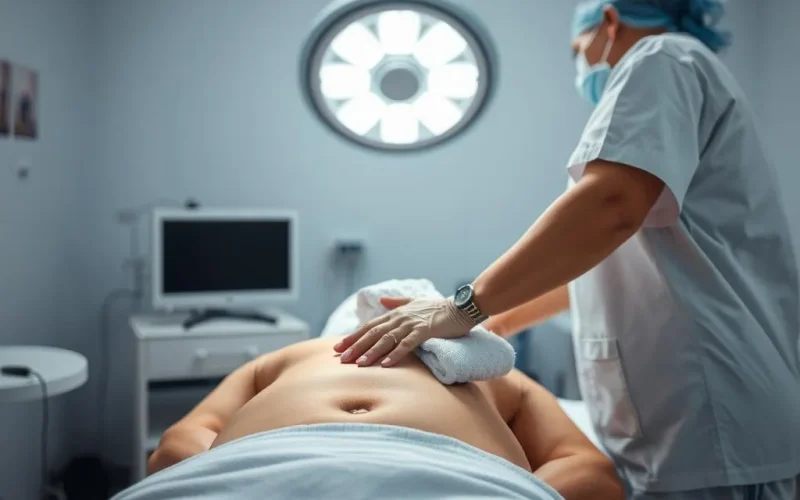
Postoperative massages are essential for recovery after surgery. They help reduce inflammation, improve circulation, and prevent complications such as fibrosis. They are especially useful for patients who have undergone cosmetic or reconstructive surgery, as they speed recovery and promote better healing.
In this article, we will explore the benefits of postoperative massages and how they can accelerate recovery and prevent fibrosis.
1. What are postoperative massages and how do they work?
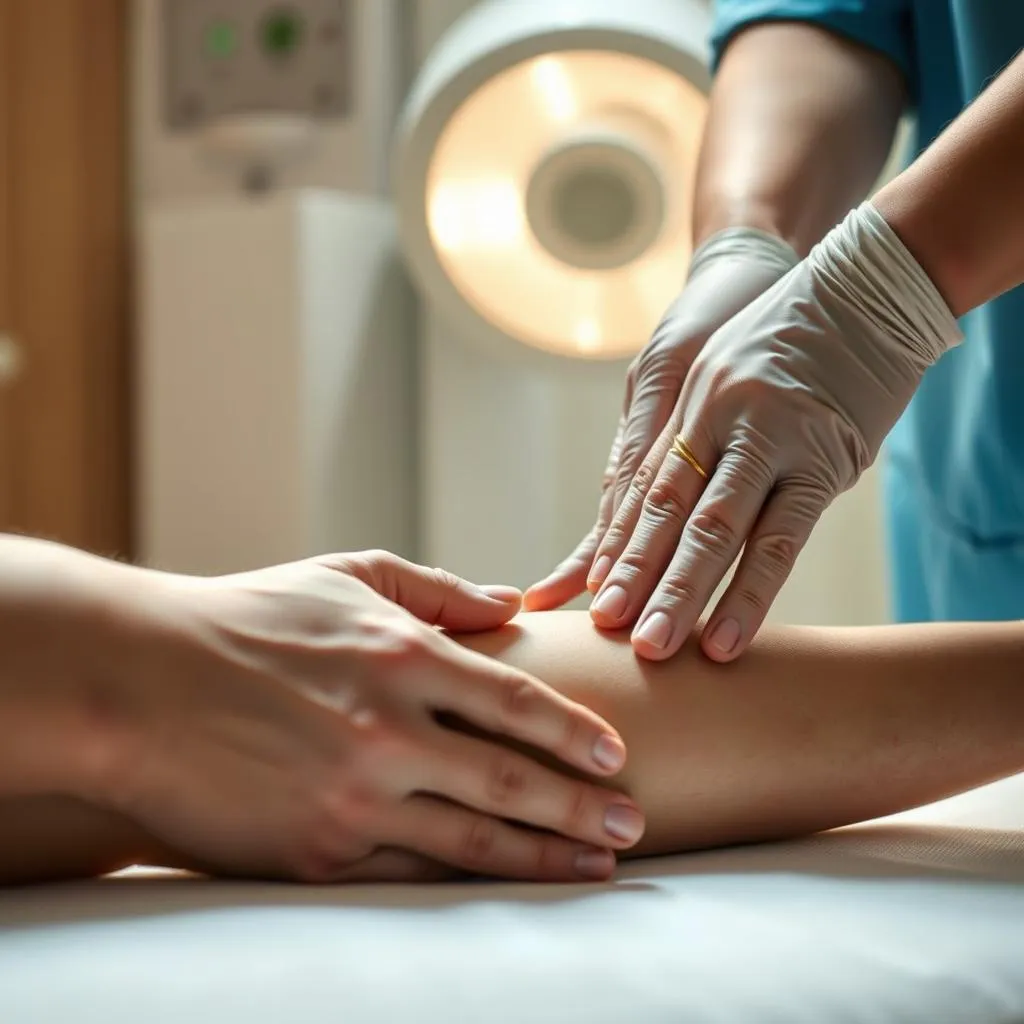
Postoperative massages consist of gentle manipulation techniques of the skin and deep tissues to stimulate blood and lymphatic circulation. Their main objective is to improve recovery after surgery, accelerate healing, and prevent the formation of scar tissue, known as fibrosis. This tissue forms when the body repairs wounds in an unorganized manner, which can cause stiffness or lumps in the treated areas.
These massages relieve pain, reduce inflammation, accelerate healing, and promote tissue mobility. In the first weeks after surgery, the body needs support to heal properly. Postoperative massages offer that support by relieving tension and creating an optimal healing environment.
In short, postoperative massages accelerate a faster, safer, and more effective recovery, helping patients regain their physical abilities without further complications.
2. Key Benefits of Postoperative Massages
The benefits of postoperative massages are numerous. Some of the most notable benefits include:
Reducing Inflammation
Postoperative massages stimulate the lymphatic system, promoting the elimination of fluids and toxins, which reduces swelling and inflammation in the treated area. Although inflammation is a natural response of the body after surgery, if not properly controlled, it can delay recovery. Massages help accelerate this process in a healthy way.
Preventing Fibrosis
Fibrosis occurs when scar tissue forms excessively, which can consequently cause stiffness and malformations in the treated area. In fact, massages help prevent hard scar tissue from forming, keeping the skin and muscles more flexible. Consistent use of postoperative massages during the first few weeks after surgery significantly reduces the likelihood of developing fibrosis.
Improved Blood Circulation
By improving blood flow in the surgical area, postoperative massages help nourish the tissues, accelerating repair and improving cellular oxygenation. This improved circulation also contributes to better absorption of essential nutrients for recovery, aiding cell regeneration and minimizing the risk of infection.
Pain Relief
Through muscle and tissue manipulation, postoperative massages can relieve muscle pain and discomfort after surgery, providing immediate well-being. This type of therapy not only focuses on relaxation but also effectively addresses residual pain, which may persist after certain surgical procedures.
Muscle Relaxation and Tension Reduction
These massages allow you to relax muscles that may have become tense during the recovery process, thereby relieving general discomfort. Muscle relaxation is essential for postoperative mobility, and as muscles relax, flexibility and range of motion progressively improve.
3. When to Start Postoperative Massages?
The timing of postoperative massage depends on the surgery and the surgeon’s recommendation. Generally, it is recommended to wait 3 to 7 days after surgery, when the area is more stabilized, although this may vary depending on the type of procedure and the patient’s recovery.
It is essential to wait until the wound has closed to avoid infection or complications. Your doctor, after an examination, will determine when it is safe to begin massage.
Following medical recommendations is crucial to maximize the benefits and reduce the risk of complications.
4. Most Common Postoperative Massage Techniques
There are different massage techniques that aid in post-surgical recovery. The most common are:
- Lymphatic massage: This technique stimulates lymphatic circulation, reduces swelling, and promotes the elimination of toxins. It primarily focuses on body fluids, facilitating their proper circulation.
- Deep tissue massage: This technique is used to relieve muscle tension and improve circulation, focusing on the deeper layers of muscle tissue. It particularly relieves muscle contractures and improves tissue elasticity.
- Friction massage: With circular movements and applying pressure, this massage dissolves fatty deposits and prevents the formation of fibrosis in the area. It is useful for removing tissue adhesions.
- Gentle massage: Ideal for patients with sensitive skin, it is performed with gentle, circular movements that promote relaxation without causing discomfort. It’s an ideal option for those recovering from less invasive surgical procedures.
5. How long should postoperative massages last?
The duration of postoperative massages varies depending on the type of surgery and the patient’s individual needs. Sessions generally last between 30 minutes and 1 hour. During the first few weeks after surgery, massages are recommended two to three times a week, then reduce the frequency as recovery progresses.
It is crucial to remember that each patient is unique, so the frequency and duration should be tailored to the treatment provider’s instructions. A personalized plan is essential to ensure optimal recovery.
6. Tips for a Successful Recovery with Postoperative Massages
To maximize the benefits of postoperative massages and ensure a successful recovery, it is important to follow some key tips:
- Consult with your doctor before beginning post-operative massages: They will tell you the right time to begin therapy.
- Find a certified massage therapist with post-surgery experience: Make sure the professional is experienced in this type of treatment.
- Maintain adequate hydration: This improves circulation and speeds healing.
- Avoid strenuous physical activity until your doctor approves it: Excessive exertion can interfere with recovery.
- Listen to your body: If you experience discomfort, let the therapist know so they can adjust the technique.
Conclusion
Postoperative massages are a fundamental tool in the recovery process after surgery. They not only help accelerate healing but also prevent the formation of fibrosis and improve tissue mobility and flexibility. Through specialized techniques, these massages optimize recovery by reducing inflammation, relieving pain, and improving blood circulation.
If you are considering postoperative massages, be sure to consult with a medical professional and a specialized massage therapist to ensure a safe and effective recovery. Remember that every surgery and every patient are different, so a personalized approach is essential for the best results.
Explore other related articles by clicking here and Visit the official website here